month 669
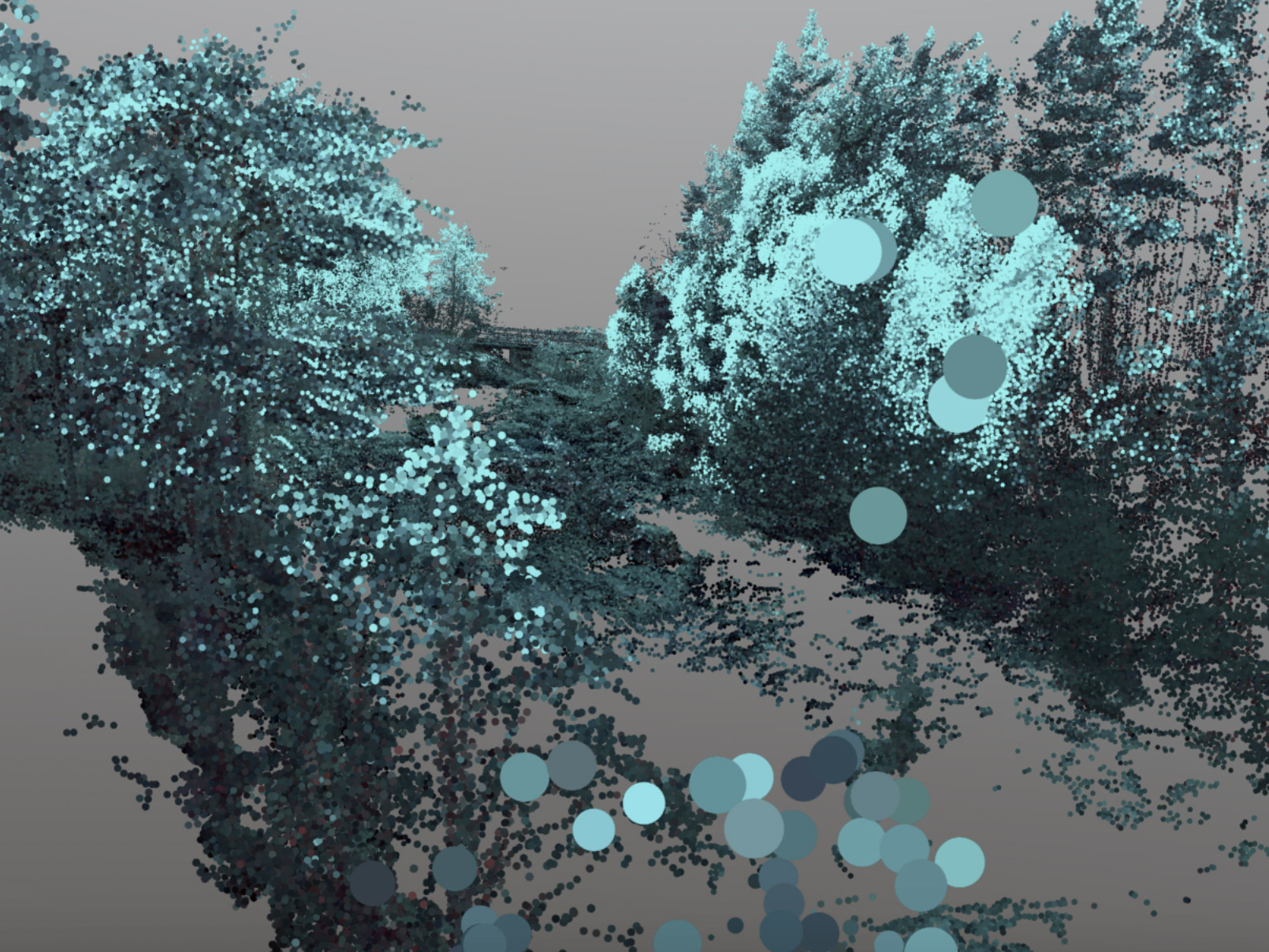
Its appearance had taken place at the last flood, when the weir had been silenced once again, drowned by its own voice. The black fallen monolith, which was once alive, living in its own time sphere, had become stranded, serving as a standard in the landscape. The beached beech was on the threshold of perpetual motionlessness and waiting for the next part of its journey to begin.
Then, in the darkness on a winter’s night, when the conditions were right, and the weir was silenced once again. The sufficiently buoyant monolith slipped its moorings, launched and set sail once more, navigating the next stage of its passage towards the sea, helping to reshape the course of the ten thousand-year-old river along its way.
7th December 2025
month 670
Seeing more frames per second makes the world appear to slow down, as if time is stretching.
Seeing fewer frames per second makes time feel faster, as if life is speeding past.
Dragonflies have one of the fastest visual processing rates of any animal on Earth.
• Humans perceive about 60–70 “frames” per second (more precisely: our critical flicker fusion rate is ~60 Hz).
• Dragonflies can perceive around 300 “frames” per second ( ≈ 300 Hz).
That’s 5 times faster than us.
To a dragonfly, human-speed events appear slow and stretched out, giving it time to react with incredible precision.
Many small birds (pigeons, sparrows) have flicker fusion rates around 100–150 Hz.
That means a fast-approaching object, like a car, appears slower to the bird than we perceive it.
Houseflies process visual information at about 250+ Hz.
Animals with slower vision
Some animals have much lower visual processing rates than humans:
• Sea turtles (~15 Hz)
• Many deep-sea fish (~10–20 Hz)
To them, the world appears more blurred, and fast movements merge together.
Their environment doesn’t require high-speed perception.
Keeping pace with a shadow.
The Earth's shadow travels across the surface of the moon at around 0.5˚ or 15km an hour. It's a change only noticeable during the next days viewing.